
Comprehensive Dental Care for the Whole Family in Jacksonville, FL
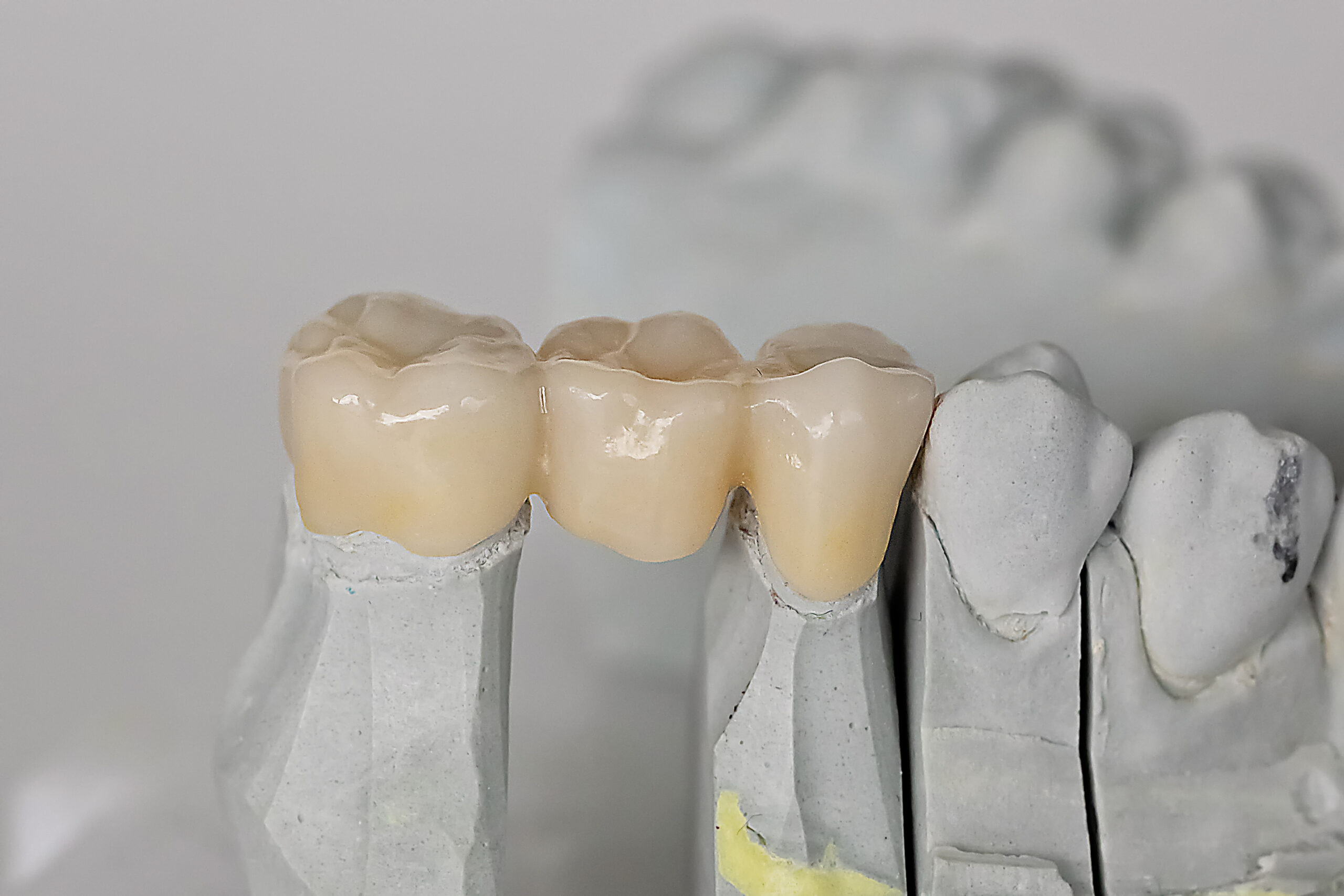
Losing a tooth changes more than your smile. It changes how you chew and allows surrounding teeth to shift over time. Left unaddressed, a single missing tooth can quietly set off a chain of problems that grows progressively more complex to correct. A dental bridge stops that process by replacing the missing tooth with a fixed, functional restoration that looks natural and holds up to daily use.
At Patriot Family Dental in Jacksonville, FL, dental bridges are one of several restorative dentistry options we use to help patients rebuild their smiles after tooth loss. Dr. Kevin Wiman approaches every case with a conservative, patient-centered philosophy, identifying the solution that best fits each patient’s clinical situation, goals, and budget. Bridges give many patients a reliable, time-tested path to a complete smile without the surgical component of an implant, and our team has the clinical depth to plan and place them with the precision every restoration deserves.
A dental bridge is a fixed prosthetic device that spans the gap left by one or more missing teeth. It consists of one or more artificial teeth, called pontics, held in place by crowns bonded onto the natural teeth on either side of the gap. Those anchor teeth, known as abutment teeth, support the bridge and keep it securely in position. Once placed, a bridge is permanent and functions like natural teeth for chewing and speaking.
A 2021 review published in the Journal of the American Dental Association notes that fixed partial dentures, or dental bridges, are a proven tooth-replacement option for patients missing one or a few teeth, with both tooth-supported and implant-supported configurations available depending on the clinical situation. With consistent home care and regular professional maintenance, many bridges last 10 to 15 years or longer, making them one of the most durable and cost-effective restorations available for replacing missing teeth.
Leaving a gap untreated affects more than appearance. Without a tooth to hold its position, adjacent teeth may begin drifting toward the open space over time. The opposing tooth may begin to over-erupt, shifting out of its normal alignment. These changes can alter your bite, create uneven wear on remaining teeth, and make future restoration more complex.
Below the gumline, the jawbone in the area of a missing tooth gradually loses density without the stimulation a root once provided. A bridge does not address bone loss beneath the pontic the way a dental implant does because the pontic rests above the gum rather than integrating with bone. However, it restores chewing function, maintains the position of neighboring teeth, and preserves your smile’s appearance. For many patients, it is the right solution at the right time.
There are several bridge configurations available, and the right choice depends on the location of the missing tooth, the condition of the surrounding teeth, and your long-term goals.
Traditional fixed bridges work well when healthy, structurally sound teeth exist on both sides of the gap to serve as anchors. The abutment teeth are prepared to accept crowns, and the custom bridge is permanently cemented over them. Traditional bridges are strong, stable, and appropriate for replacing one or more consecutive missing teeth.
Implant-supported bridges are an alternative when multiple adjacent teeth are missing and surrounding natural teeth are not ideal abutment candidates. Rather than anchoring to natural teeth, the bridge attaches to implant posts placed in the jawbone, preserving the integrity of neighboring teeth and addressing bone stimulation in the process. Dr. Wiman performs both the surgical and restorative phases of implant-supported bridge treatment in-house.
Getting a dental bridge at Patriot Family Dental typically takes place over two appointments. At the first visit, the abutment teeth are prepared, and digital impressions are taken using our iTero intraoral scanner. A temporary bridge is placed to protect the prepared teeth while the permanent restoration is fabricated. The iTero scanner captures a precise digital model of the entire site, eliminating the discomfort of traditional impression trays and providing the dental lab with accurate data for a well-fitting result.
At the second appointment, the temporary bridge is removed, the permanent bridge is seated, and any adjustments are made before it is permanently cemented. For patients who experience anxiety about dental procedures, conscious sedation options are available to help you stay comfortable throughout both visits.
Caring for a bridge is straightforward but requires consistent attention. Brush twice daily with a soft-bristled toothbrush, and clean beneath the pontic each day using a floss threader, interdental brush, or water flosser to prevent plaque buildup along the gumline. Avoid chewing hard or sticky foods directly on the restoration, and attend your regular general dentistry check-ups so we can monitor the fit, the supporting teeth, and the surrounding gum tissue over time. A well-maintained bridge can serve patients reliably for a decade or more.
| Dental Bridge | Dental Implant | |
|---|---|---|
| Surgical procedure required | No | Yes |
| Preserves adjacent natural teeth | No — abutment teeth are prepared | Yes |
| Addresses jawbone loss | No | Yes — implant stimulates bone |
| Treatment timeline | 2 appointments, weeks | Several months (osseointegration) |
| Typical longevity | 10–15+ years with care | 15–25+ years with care |
| Insurance typically covers | Partial (major restorative) | Varies by plan; often limited |
One of the most common questions we hear from patients is whether a bridge or a dental implant is the better fit for their situation. The honest answer is that it depends, and we will never steer you toward one option based on anything other than what your clinical picture and goals call for.
Bridges are often a strong fit when patients prefer a fixed, non-surgical solution, when the adjacent teeth would benefit from crowns regardless, when bone volume in the gap area is limited, or when timeline and budget are meaningful factors. Dental implants are typically the stronger long-term investment when neighboring teeth are healthy and should not be altered, when preserving bone volume is a priority, or when a patient is looking for the most complete and permanent replacement available. Dr. Wiman takes the time to explain both options clearly and honestly, so every patient makes an informed decision they feel confident in.
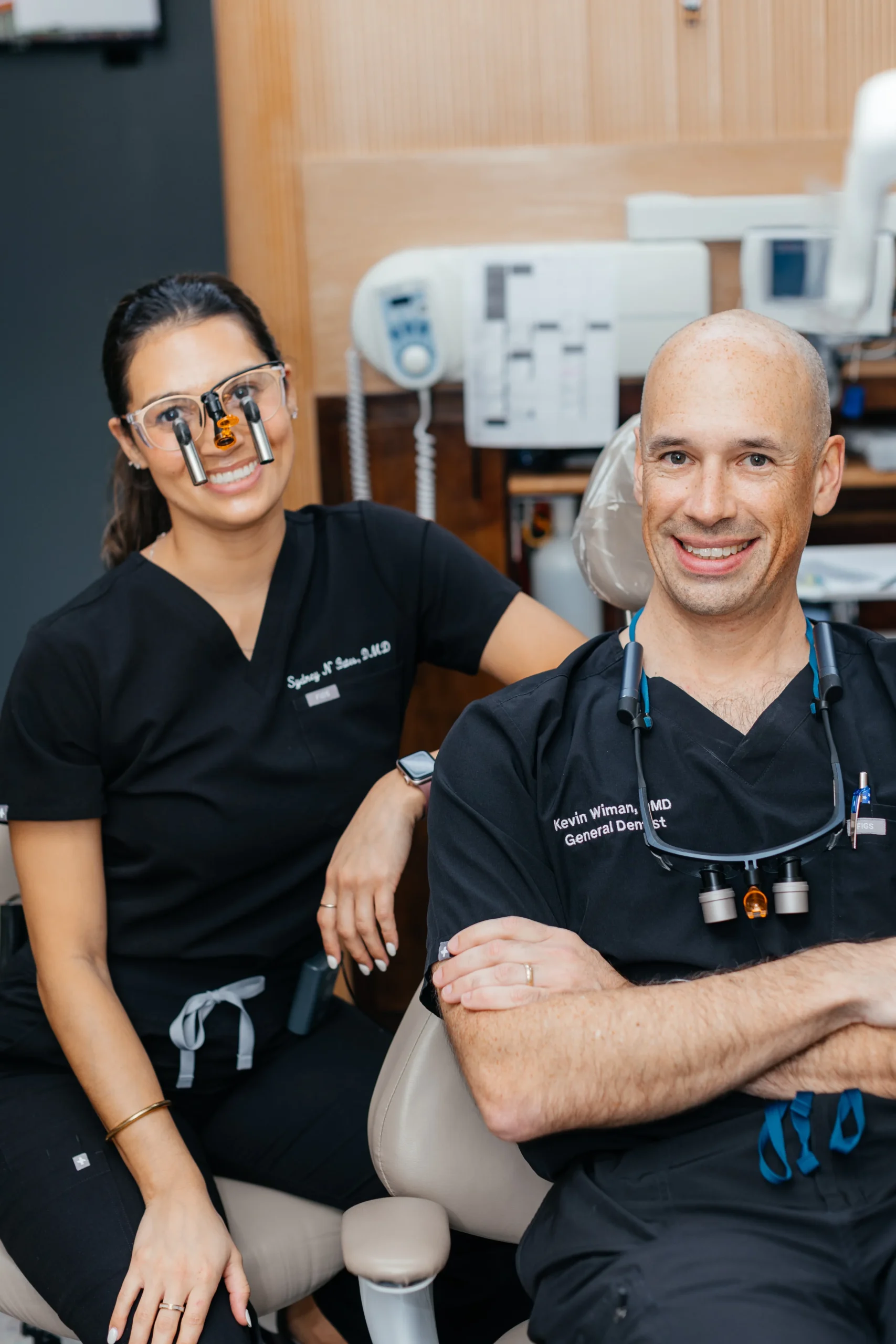
Crown and bridge work has been a central part of Dr. Wiman’s clinical focus throughout his career. Dr. Kevin Wiman‘s background in high-precision dentistry has been shaped by his training at the Dental College of Georgia, his advanced implant and restorative experience, and his service as a West Point graduate, U.S. Army Black Hawk pilot, Jumpmaster, and Eagle Scout. These experiences have instilled the attention to detail, straightforward approach, and absolute integrity he brings to every case. Whether a patient needs a traditional bridge, an implant-supported restoration, or is weighing a bridge against a dental crown in a more complex situation, Dr. Wiman takes the time to plan each restoration with the precision it deserves.
We accept most major dental insurance plans, including TRICARE and VA benefits for military families and veterans, and offer flexible financing options through CareCredit, Alphaeon, and Cherry to make restorative care accessible for every budget. Contact our office today to schedule your consultation and take the first step toward a complete, functional smile in Jacksonville, FL.
Mon - Thurs: 8AM to 4PM Fri: By Appointment Only Sat - Sun: Closed
Thank-you offers for our neighbors, our families, and those who served.
Receive a brighter smile in a single visit with $250 off.
Straighten your smile with fifteen hundred dollars off your full Invisalign treatment.