Composite bonding in Jacksonville, FL to repair imperfections and enhance your smile’s appearance.
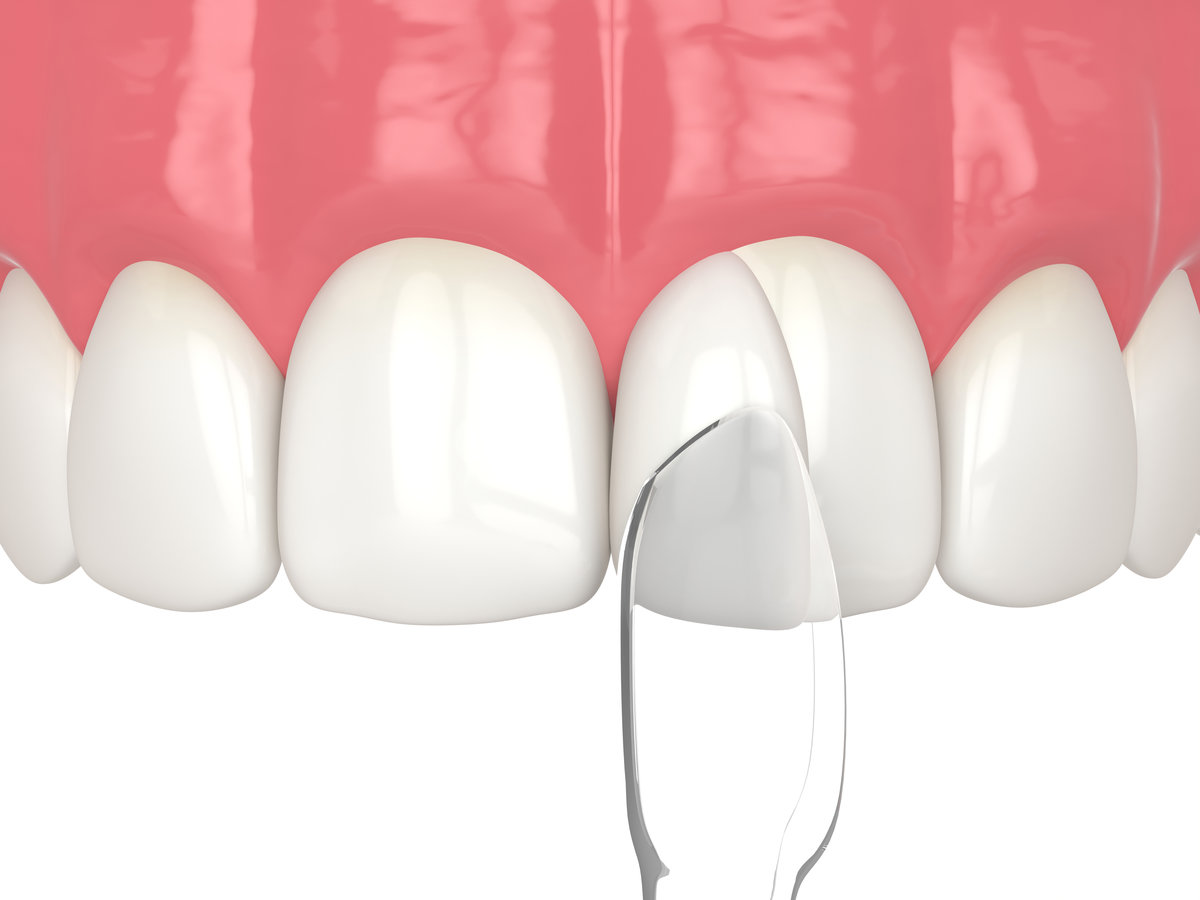
A chipped edge, a stubborn gap, or a discolored tooth does not have to define your smile for the rest of your life. Some of the most noticeable imperfections are also the easiest to correct, often in a single appointment and without removing any of your natural tooth structure. Composite bonding is one of dentistry’s most versatile cosmetic solutions, capable of quietly transforming the way your smile looks with minimal time in the chair and no dramatic recovery. Most patients are in and out within 30 to 60 minutes per tooth, with results that blend seamlessly into their natural smile.
At Patriot Family Dental in Jacksonville, FL, our cosmetic care is led by Dr. Kevin Wiman, a West Point graduate and U.S. Army veteran whose commitment to precision and patient-centered care shapes every treatment we provide. Dr. Wiman evaluates each patient individually, carefully matching composite resin to the surrounding teeth and hand-sculpting the material for results that look natural, last well, and genuinely improve your confidence. Whether you are bothered by a single chipped tooth or want to address several small imperfections at once, we work with you to build a plan that fits both your smile goals and your schedule.
Composite bonding, also called dental bonding or teeth bonding, is a cosmetic procedure in which a tooth-colored composite resin material is applied directly to the surface of a tooth to alter its shape, size, or color. According to the American Dental Association, resin-based composites are a widely accepted, proven material for direct restorations that offer strong adhesion to tooth structure while preserving natural enamel. Because no enamel is removed in most cases, the procedure is entirely reversible, making it one of the most conservative cosmetic options available.
The process itself is straightforward. Dr. Wiman begins by selecting a composite resin shade precisely matched to your surrounding teeth. He lightly conditions the tooth surface to help the material bond securely, then applies the resin in layers, hand-sculpting it to the desired shape. A curing light hardens each layer before the final surface is shaped and polished to a natural-looking finish. Most bonding appointments take between 30 and 60 minutes per tooth and require no anesthesia, though a local anesthetic can be provided for patients who prefer it or whose tooth is near a nerve.
Composite bonding addresses a wide range of cosmetic concerns that affect the appearance of the front teeth. It is one of the most flexible tools in cosmetic dentistry precisely because the same technique can be applied to so many different situations. During your consultation, Dr. Wiman will assess your teeth and determine whether bonding is the right fit or whether another approach, such as porcelain veneers or a broader smile makeover, would better serve your goals.
Some of the most common reasons patients seek composite bonding include the following:
Each treatment plan is built around your specific concerns and what will look most natural with the rest of your smile.
| Composite Bonding | Porcelain Veneers | |
|---|---|---|
| Enamel removal required | No — fully reversible | Yes — permanent |
| Treatment timeline | Single appointment | Multiple visits |
| Stain resistance | Good | Excellent |
| Typical longevity | 3–10 years | 10–20+ years |
| Relative cost | More accessible | Higher investment |
| Best for | Minor–moderate corrections, reversible improvements | Dramatic transformations, maximum durability |
For patients exploring their options, composite bonding occupies a distinct position among cosmetic treatments. Unlike porcelain veneers, bonding does not require permanent enamel reduction, which means it can be reversed or updated as your preferences or dental needs change over time. It is also significantly faster, typically completed in a single appointment rather than across multiple visits. Cost-wise, bonding is generally a more accessible entry point for patients who want meaningful cosmetic improvement without the investment of a full veneer case.
Bonding is not always the right choice for every situation. For more dramatic smile transformations, or for patients who want maximum stain resistance and longevity, veneers or dental crowns may be recommended. Patients seeking alignment changes in addition to cosmetic refinements may be candidates for Invisalign combined with bonding. During your consultation, Dr. Wiman will evaluate your teeth, discuss your goals, and help you understand which approach, or combination of approaches, will deliver the outcome you are looking for.
Composite resin is durable but does require some mindfulness in daily habits to maintain its appearance and longevity. Bonded restorations can last between three and ten years depending on the location of the bonding and how well the teeth are maintained. The material resists staining reasonably well but does not repel stains as effectively as porcelain, so limiting dark beverages like coffee and tea, avoiding tobacco products, and attending regular professional cleanings all contribute to keeping the result looking its best.
We also recommend avoiding habits such as biting fingernails, chewing on hard objects like ice, or using your teeth to open packaging, as these can chip the bonding material over time. If you grind your teeth at night, Dr. Wiman may recommend a nightguard to protect the bonded restorations. Consistent brushing with a non-abrasive toothpaste, daily flossing, and routine dental visits allow us to monitor your bonding and polish or touch up the material before wear becomes more noticeable. With the right care, many patients enjoy their results for many years before any maintenance is needed.
Composite bonding is generally not painful. Because the procedure typically does not require removal of enamel, anesthesia is usually unnecessary. Most patients experience no discomfort during the process. If your tooth is near a nerve or if any reshaping is needed, Dr. Wiman can administer a local anesthetic to keep you comfortable throughout the appointment.
Composite bonding can last between three and ten years depending on the location of the bonding, your bite, and how well you care for the treated teeth. Front teeth used primarily for aesthetics tend to hold up well, while bonding on teeth that experience heavier bite pressure may show wear more quickly. Regular dental visits allow Dr. Wiman to monitor and polish your bonding before wear becomes noticeable.
Coverage depends on your plan and the reason for treatment. Bonding done for cosmetic purposes is typically not covered, but bonding used to repair a chipped or damaged tooth may qualify as a restorative procedure under some plans. Patriot Family Dental accepts most major dental insurance, including TRICARE and VA benefits, and our team can help you understand your coverage before treatment begins. Financing through CareCredit, Alphaeon, and Cherry is also available.
Composite bonding is applied directly to the tooth surface without removing enamel and can be completed in a single visit. Porcelain veneers require a thin layer of enamel to be removed and are fabricated off-site, typically requiring two appointments. Veneers generally last longer and resist staining more effectively, while bonding is faster, more reversible, and more cost-accessible. Dr. Wiman can help you determine which option fits your goals, timeline, and budget.
Yes. Bonding is a common and effective way to close or reduce small gaps between teeth, including diastemas between the two front teeth. Dr. Wiman carefully adds composite resin to the sides of adjacent teeth to narrow or eliminate the gap without orthodontic treatment. For patients with larger spacing concerns, Invisalign may be a more appropriate long-term solution, and the two approaches can sometimes be combined.
Brush with a non-abrasive toothpaste, floss daily, and attend regular professional cleanings. Limit stain-causing foods and beverages like coffee, tea, and red wine, especially in the first 48 hours after bonding. Avoid biting your nails, chewing ice, or using your teeth to open packages. If you grind your teeth, ask Dr. Wiman about a nightguard to protect the bonding material from premature wear.
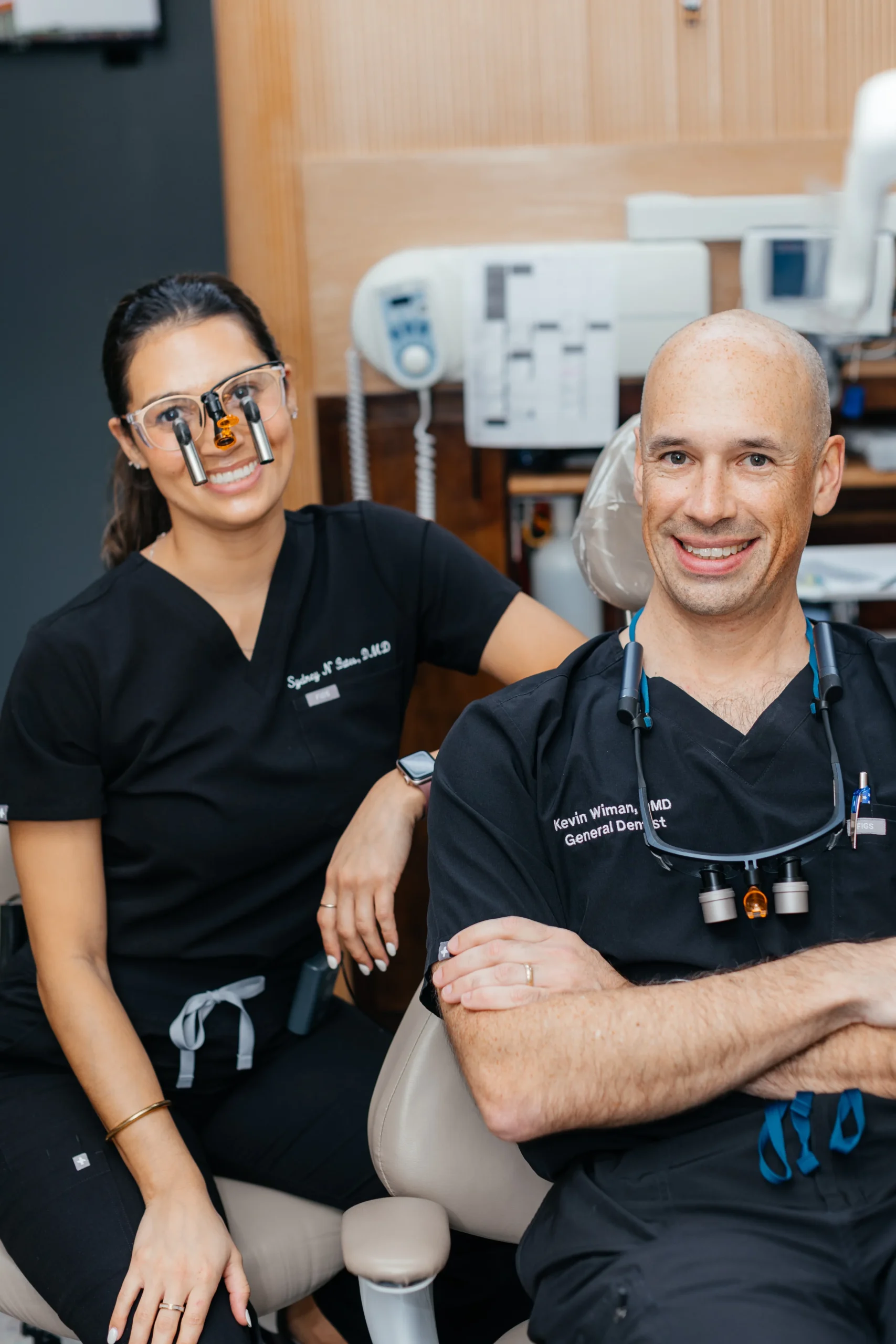
At Patriot Family Dental, improving your smile should be accessible, comfortable, and built around what is right for you. Dr. Kevin Wiman, a West Point graduate and U.S. Army veteran, brings the same precision and care to every cosmetic case that defined his military career. His attention to shade matching, proportion, and natural aesthetics means that bonding results from Patriot Family Dental consistently look intentional rather than “done.” Whether you are addressing a single chip or pursuing a broader smile makeover, our team will walk you through your options clearly and honestly, so you leave with confidence in the plan before any treatment begins.
We accept a wide range of insurance plans, including TRICARE and VA benefits for our military community, and offer flexible financing through CareCredit, Alphaeon, and Cherry for patients pursuing out-of-pocket cosmetic treatments. If you are ready to find out whether composite bonding is the right fit for your smile, we invite you to contact our Jacksonville office today to schedule your consultation.
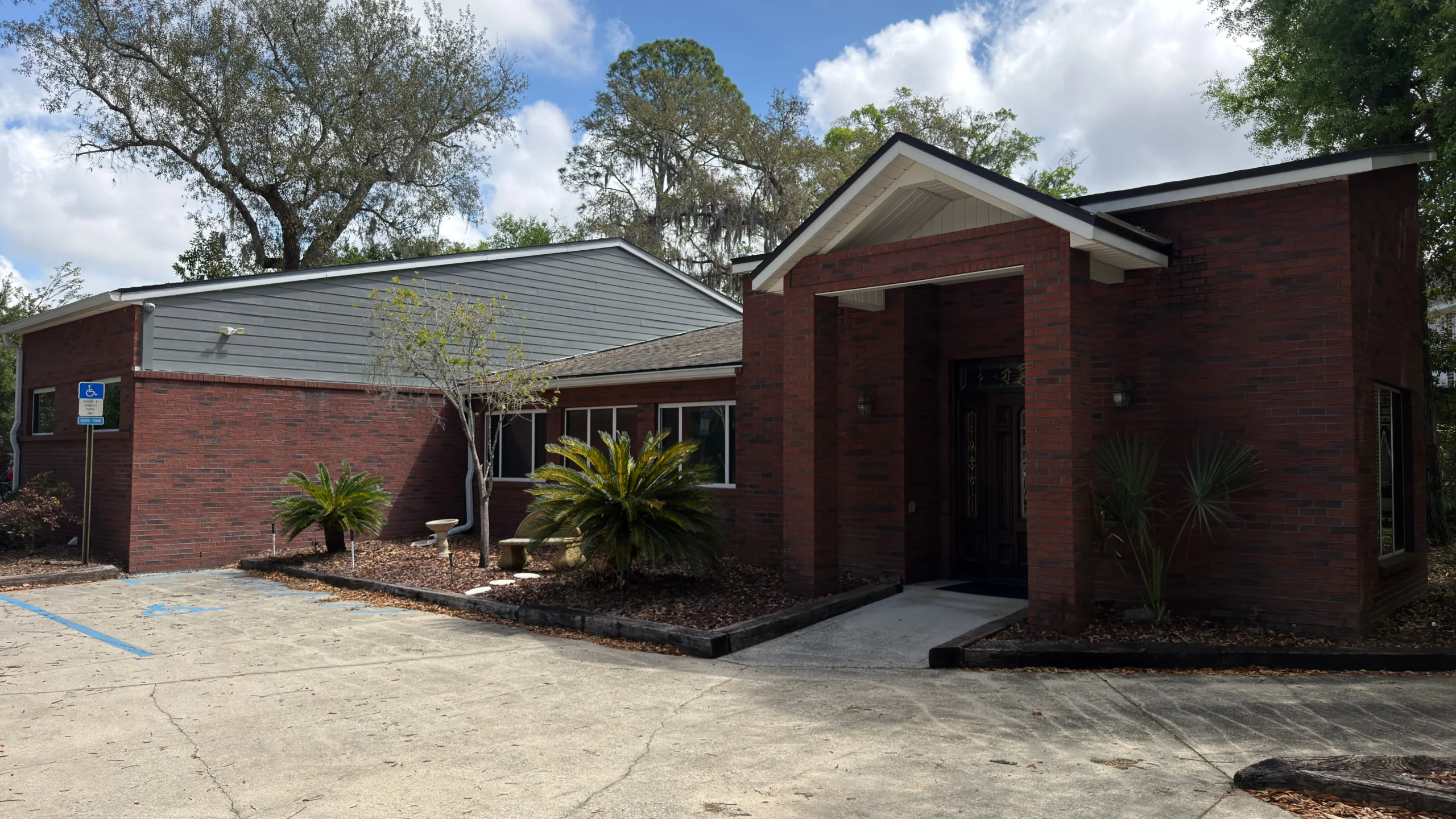
Mon - Thurs: 8AM to 4PM Fri: By Appointment Only Sat - Sun: Closed
Thank-you offers for our neighbors, our families, and those who served.
Receive a brighter smile in a single visit with $250 off.
Straighten your smile with fifteen hundred dollars off your full Invisalign treatment.