
White spot removal in Jacksonville, FL to enhance your smile and restore tooth appearance.

You whiten your teeth, straighten them, and take care of them every day, and yet there they are: those faint, chalky patches on the enamel that whitening cannot touch and cleaning cannot erase. White spots on teeth are one of the most cosmetically frustrating issues patients encounter, precisely because they draw the eye to imperfections on an otherwise healthy smile. The good news is that modern dentistry has a minimally invasive solution that can address them directly, often in a single appointment with no drilling and no removal of healthy enamel.
At Patriot Family Dental in Jacksonville, FL, our cosmetic dentistry team is led by Dr. Kevin Wiman, a West Point graduate and U.S. Army veteran who applies the same precision and discipline he developed in service to every treatment he delivers. Whether your white spots stem from past orthodontic treatment, fluorosis, or developmental factors, Dr. Wiman evaluates each case individually and selects the approach most likely to produce lasting, natural-looking results that blend seamlessly with your surrounding enamel.
White spots, clinically referred to as white spot lesions, are areas of enamel demineralization that scatter light differently than the surrounding tooth surface. This difference in how light passes through the enamel creates their characteristic chalky, opaque appearance. According to a 2024 review published in Dentistry Journal, white spot lesions form in the presence of bacterial plaque and have various causes, with the chalky appearance resulting from a change in the enamel’s refractive index caused by demineralization.
Understanding the cause of your white spots matters because it directly informs which treatment will be most effective. The most common causes include the following:
Each of these causes can be addressed — and in most cases, effectively treated without any drilling or removal of healthy tooth structure.
Treatment options for white spots depend on their size, depth, cause, and the degree of cosmetic concern. At Patriot Family Dental, we evaluate each case individually and recommend the approach most likely to produce lasting, natural-looking results.
Resin infiltration is the gold standard for treating white spot lesions and is the treatment of choice for most patients. The procedure involves applying a low-viscosity resin material that penetrates into the porous, demineralized enamel and fills the microscopic spaces that cause the white appearance. Because the resin has an optical refractive index similar to healthy enamel, once it is cured in place, it blends the lesion into the surrounding tooth surface and essentially makes the white spot disappear. No drilling is required, no healthy tooth structure is removed, and the process is entirely painless. Most patients see dramatic improvement in a single appointment, and results have been shown to remain stable for a minimum of 45 months.
For certain types of white spots, particularly those confined to the outermost surface of the enamel, microabrasion using a mild abrasive compound can physically reduce the lesion. This approach works best for superficial fluorosis spots or minor surface staining. In cases where the white spot is more prominent or where the enamel surface requires additional coverage, composite bonding can be used to layer tooth-colored resin over the affected area and blend it visually with the surrounding tooth. For patients with more extensive enamel defects across multiple teeth, porcelain veneers may be a more comprehensive solution, providing both coverage and long-term stain resistance. Dr. Wiman will discuss all available options with you during your consultation so you understand the tradeoffs in terms of invasiveness, longevity, and appearance.
One of the most common groups of patients who seek white spot removal are those who have recently completed orthodontic treatment. Patients going through Invisalign treatment are generally at lower risk for white spot development than those who wear traditional fixed brackets, since aligners are removable and do not obstruct the tooth surface in the same way. However, white spots from previous orthodontic treatment or other causes can absolutely be addressed after clear aligner treatment is complete, providing a comprehensive cosmetic finish to your orthodontic result and setting the stage for a full smile makeover if desired.
If you are planning to address white spots alongside other cosmetic goals, such as brightening your smile with professional teeth whitening, we typically recommend whitening first so that the resin used in infiltration or bonding can be matched to your new, brighter tooth shade. Dr. Wiman will help you sequence your treatments for the best combined result.
White spot removal at Patriot Family Dental begins with a consultation in which Dr. Wiman evaluates the nature and extent of your lesions and discusses which treatment is best suited to your situation. For most patients choosing resin infiltration, the appointment is comfortable and straightforward. The affected teeth are cleaned, a mild acid etch is applied to open the surface of the lesion, the area is thoroughly dried, and the infiltrant resin is applied and light-cured. The entire process typically takes under an hour for most cases and requires no anesthesia, no recovery time, and no restrictions on eating or normal activities afterward.
One important tip for the days immediately following resin infiltration: avoid deeply pigmented foods and beverages such as coffee, tea, and red wine for at least 48 hours, as the newly treated enamel surface is temporarily more susceptible to surface staining before the resin fully integrates. Long-term, the treated area is stable and requires no special maintenance beyond your regular brushing, flossing, and routine visits with Dr. Wiman, who can monitor your results and address any concerns at your ongoing dental exams.
Resin infiltration, the most common white spot treatment, is entirely painless and requires no anesthesia. There are no injections, no drilling, and no removal of healthy tooth structure. Most patients are surprised by how quick and comfortable the procedure is. Microabrasion is also performed without anesthesia and involves only a gentle polishing sensation on the enamel surface.
For most patients undergoing resin infiltration, a single appointment is all that is needed. The entire process typically takes less than an hour. For patients with more extensive or deeper lesions, or those combining white spot removal with other cosmetic treatments, additional appointments may be scheduled. Dr. Wiman will give you a clear timeline during your consultation.
Results from resin infiltration are highly stable. Clinical studies have shown results remaining durable for a minimum of 45 months, with most patients enjoying long-term improvement. The treated area does not demineralize again on its own. However, maintaining good oral hygiene and attending regular cleanings is important to prevent new white spots from forming on untreated areas of enamel.
This is a common concern, and the answer depends on timing. Whitening can temporarily make white spots more noticeable immediately after treatment because it brightens the surrounding enamel but cannot penetrate the porous demineralized area in the same way. For this reason, we recommend completing whitening first, then performing resin infiltration so the resin can be color-matched to your new, brighter shade for the most seamless result.
Coverage depends on the cause and your specific plan. When white spot removal is performed for purely cosmetic reasons, it is typically not covered. However, when white spots represent early-stage carious lesions that are being treated preventively, some insurance plans may provide partial coverage under restorative benefits. Patriot Family Dental accepts most major insurance plans, including TRICARE and VA benefits, and offers financing through CareCredit, Alphaeon, and Cherry for out-of-pocket cosmetic treatments.
The most effective prevention strategies include brushing twice daily with a fluoride toothpaste, flossing daily, and keeping up with regular professional cleanings. Patients undergoing orthodontic treatment with fixed braces should follow their provider's cleaning protocols carefully and consider fluoride mouth rinses during treatment. Limiting sugary and acidic foods reduces the acid exposure that drives enamel demineralization. If you are concerned about white spot development, Dr. Wiman can recommend targeted preventive measures at your next visit.
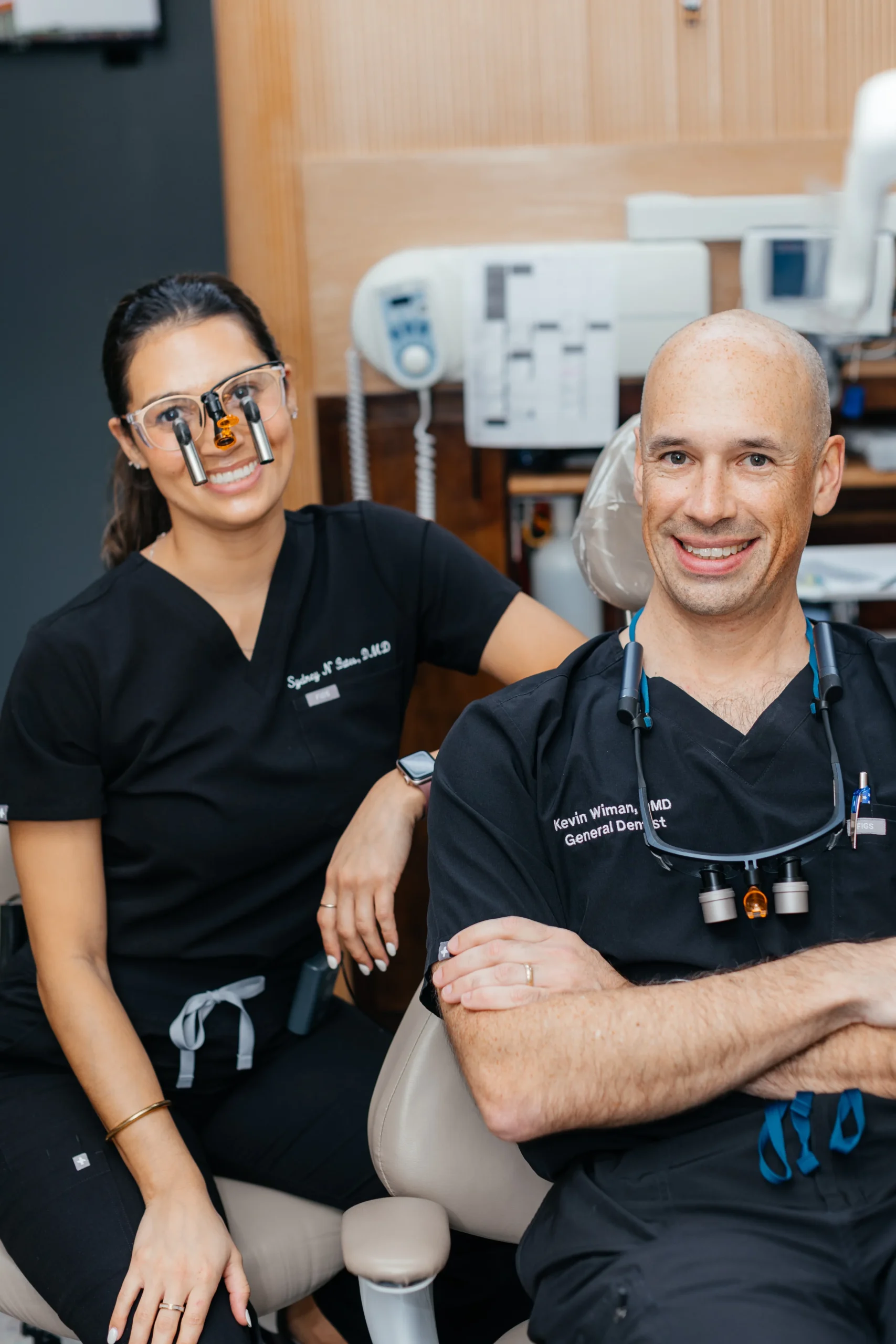
At Patriot Family Dental, we believe every patient deserves to feel confident in their smile, and something as correctable as white spots should never stand in the way of that. Dr. Kevin Wiman brings exceptional attention to detail and a genuine commitment to individualized care to every cosmetic consultation he conducts. We serve Jacksonville families, veterans, and members of the 55+ community with the kind of thorough, unhurried approach that cosmetic cases require.
We accept a wide range of insurance plans and offer flexible financing options through CareCredit, Alphaeon, and Cherry to make cosmetic treatments accessible. To find out whether resin infiltration or another white spot treatment is right for you, we invite you to contact our office today and schedule your consultation.
Mon - Thurs: 8AM to 4PM Fri: By Appointment Only Sat - Sun: Closed
Thank-you offers for our neighbors, our families, and those who served.
Receive a brighter smile in a single visit with $250 off.
Straighten your smile with fifteen hundred dollars off your full Invisalign treatment.